Eliminating Federal Overreach: Lasting Reform Needed in Equine Welfare
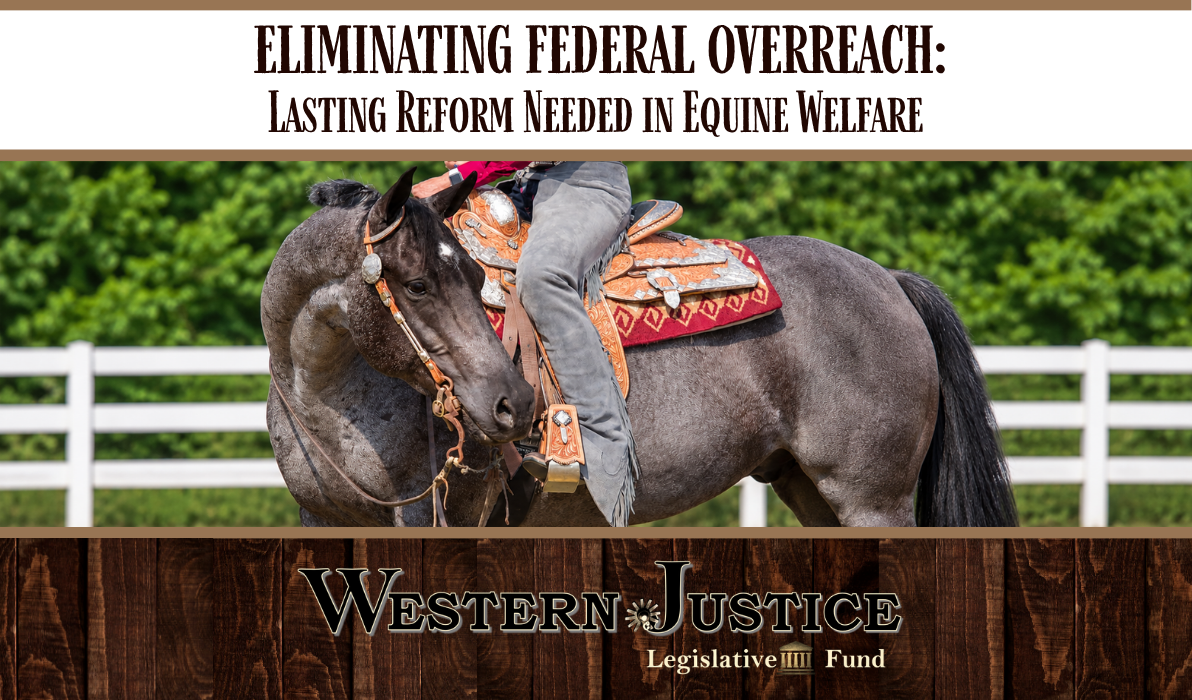
The equine industry has secured important breathing room from the most aggressive overreach attempted thus far under the Horse Protection Act (HPA), but the underlying federal threat remains. As of late 2026, the USDA’s Animal and Plant Health Inspection Service (APHIS) has postponed full implementation of the 2024 HPA final rule until December 31, 2026. Key provisions that expanded federal control—such as broad bans on pads and action devices, the replacement “scar rule” (Dermatologic Conditions Indicative of Soring), and certain disqualification procedures—were vacated by federal courts, including the U.S. District Court for the Northern District of Texas and in Gould v. USDA.
For the 2026 show season, pre-2024 regulations largely remain in effect. APHIS has stated it will not enforce the scar rule or the “no show back” policy and is providing greater procedural protections around inspection findings. A new proposed rule (RIN 0579-AE93, Horse Protection Act Revisions) is in development and is designated as deregulatory. Contemplated changes include requiring APHIS veterinarians before any finding of soring, establishing a pre-show appeals process, and clarifying that disqualifications are class-specific rather than event-wide. These steps would prevent the most egregious expansions into the western horse world, and this proposed rule is a welcome correction, but unless Congressional action repeals the outdated HPA entirely, it is only temporary. Administrative rules can be rewritten or reversed by a future administration.
The original 1970 Horse Protection Act was aimed specifically at the practice of soring in a small segment of the Tennessee Walking Horse industry.Soring is the use of chemicals or devices that cause discomfort, making the horse step higher and faster to create a more flashy, animated gait.Compliance rates under the existing Horse Protection Act framework have reached approximately 98 percent, reflecting decades of education and dedication to equine welfare in the gaited horse world.
The vast majority of the overall horse industry prioritizes animal welfare as a core value. Horse owners, trainers, breeders, and event organizers invest heavily in the health, soundness, and well-being of their animals because their livelihoods, reputations, and competitive success depend on it.
Animal protection laws already exist in every state, providing robust, locally accountable frameworks for addressing genuine cruelty or abuse. In addition, horse industry organizations maintain their own detailed rules, codes of conduct, inspection protocols, and disciplinary systems that govern training, showing, sales, and competitions. These layered protections—state laws plus industry standards—already safeguard equine welfare without the need for expansive federal overreach that intrudes unnecessarily into every breed and every event, even those that have never practiced soring.
Courts have already found that the USDA exceeded its statutory authority and violated due process in implementing the 2024 rule—clear evidence that the Act remains a possible mechanism for agenda-driven overreach. Our right to train, sell, and show horses; the livelihoods of trainers, breeders, farriers, event producers, and small businesses; and constitutional protections such as due process are at stake. Vague definitions of “soring,” expanded notions of “participation,” mandatory federal inspectors replacing industry Designated Qualified Persons, and the risk of public online listings of alleged violations without adequate process threaten ordinary horse owners and youth programs far beyond the original intent of the law.
Western Justice has submitted a formal Congressional Briefing Memo calling for the full repeal of the Horse Protection Act of 1970. The organization is pushing legislation to eliminate the statute entirely, end USDA rulemaking and enforcement under it, and return animal-welfare oversight entirely to the states—where it is more timely, effective, and accountable. Partial fixes and delayed rules are not enough. As long as the HPA remains on the books, it continues to pose a threat of federal overreach and misuse against the entire equine industry, despite the industry’s proven commitment to welfare and the strong existing state and organizational safeguards.
The current administrative pause and proposed revisions offer short-term relief for the western horse world; only full repeal of the HPA will secure lasting protection while preserving the industry’s strong, multi-layered commitment to animal welfare.
Sign the petition today and join the call for full repeal.


